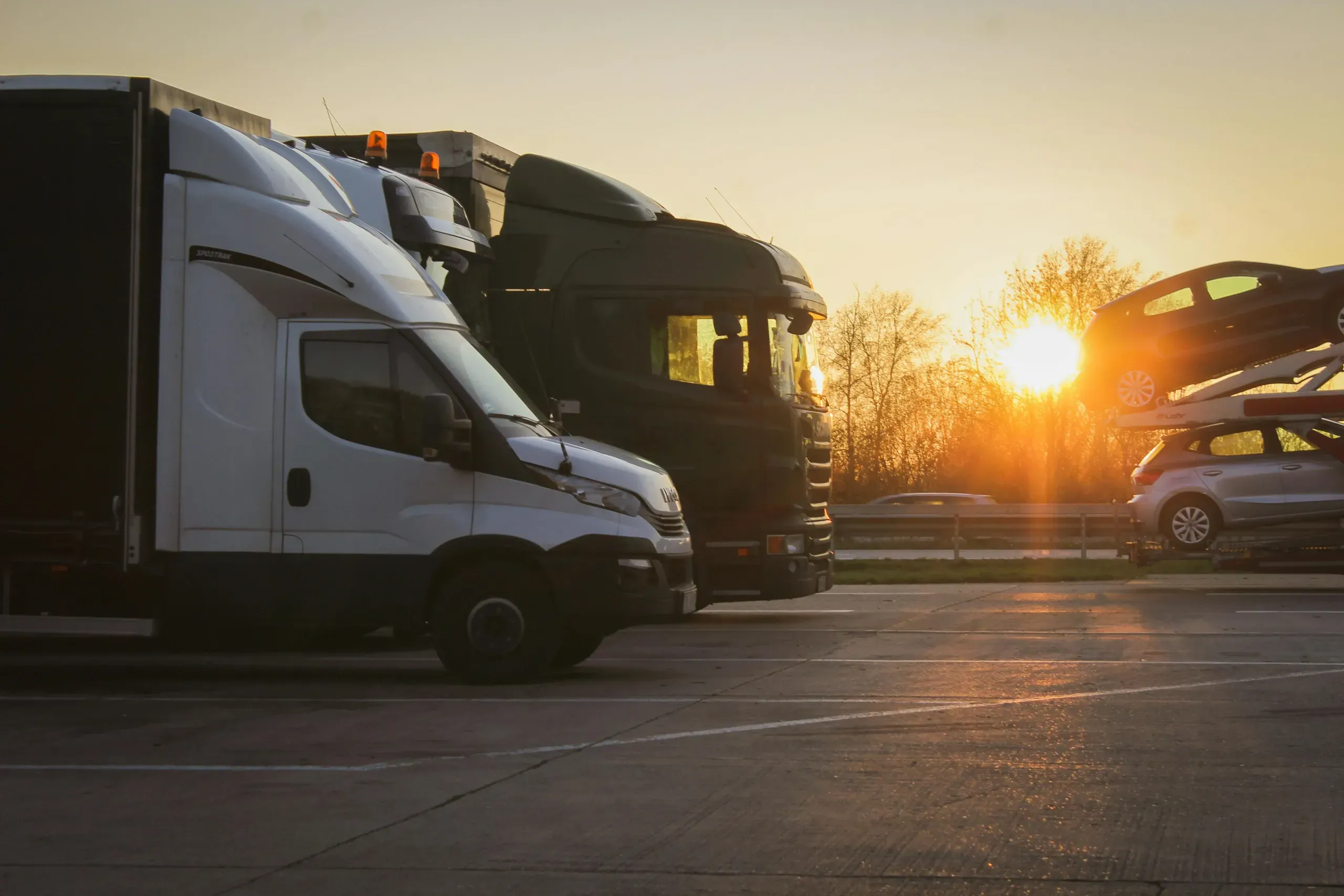
Ship Your Car from Vermont to District of Columbia
Shipping a vehicle from Vermont to the District of Columbia covers approximately 565 miles, typically taking between two and three days for carrier transit. This route primarily utilizes I-91 South, offering a direct path for transport trucks moving between the Northeast and the capital. Navigating this move involves understanding the logistics of auto transport, from how we match your vehicle with a carrier to managing pickup windows and final delivery. This guide covers everything you need to know, including costs, transit timelines, the booking process, inspection steps, and how to verify your carrier.
- No-obligation quote within 2 minutes
- Price all-inclusive
- No charge until driver confirmed
- Distance
- 565 mi
- Transit time
- 2–3 days
- Open carrier from
- $625
How much does it cost to ship a car from Vermont to District of Columbia?
For an open trailer, you can typically expect to pay between $625 and $850, while enclosed transport ranges from $1,225 to $1,625 for this 565-mile trip. As a referral service, Ship Car Pros connects you with independent carriers who bid on these routes; the final price depends on current driver availability and market conditions. There are seven specific factors that determine where your final quote lands, including vehicle size, seasonal demand, and your flexibility regarding pickup dates. By understanding how these variables influence carrier interest, you can better manage your budget for the journey from Vermont to the District of Columbia. We provide all-inclusive quotes to ensure your total cost remains transparent from the moment you book until the vehicle reaches its destination.
What factors affect car shipping cost?
Several variables influence the final rate for your vehicle's journey from Vermont to the District of Columbia. We consider these specific factors when matching your load with a carrier:
- Vehicle dimensions and weight: Larger trucks and SUVs occupy more trailer space and increase fuel consumption.
- Transport type: Enclosed trailers provide extra protection but carry a higher premium than standard open carriers.
- Pickup and delivery flexibility: A wider scheduling window allows carriers to integrate your vehicle into existing routes more efficiently.
- Seasonal demand: High-traffic periods, such as summer moving months or snowbird migration, often drive up carrier pricing.
- Route accessibility: Deliveries to rural locations off the main I-91 corridor may require extra miles for the driver.
- Vehicle operability: Inoperable vehicles require specialized winching equipment and additional time for safe loading and unloading.
Open vs. enclosed car transport: which should you choose?
Choosing between open and enclosed transport comes down to your vehicle’s value and how much protection you require. Open transport is the industry standard, used for roughly 85% of all shipments. It is the same method used to deliver brand-new cars from factories to local dealerships. With an open trailer, your vehicle is exposed to the elements, but it remains fully insured and is a reliable, cost-effective choice for daily drivers. For this 565-mile route, you can expect an average cost of around $707 for open transport.
Enclosed transport is a premium service that shields your vehicle from road debris, weather, and dust. It is the best choice for classic cars, high-value luxury models, or custom vehicles with low ground clearance. Because these trailers are scarcer, the average cost rises to around $1,351. If your vehicle is a daily driver, open transport is usually the practical choice.
- Open carrier
- $625–$850
- Standard 7–10 car hauler.
- Enclosed carrier
- $1,225–$1,625
- Sealed trailer for high-value vehicles.
How long does it take to ship a car from Vermont to District of Columbia?
Transporting your vehicle over this 565-mile journey typically takes between two and three days from pickup to delivery. While the distance is relatively short, drivers must balance their daily mileage with mandatory rest periods, fuel stops, and the time required to safely secure vehicles at each location. Because a single carrier usually handles your car for the entire trip, these transit times remain consistent regardless of the specific drop-off point in the District of Columbia. We will coordinate with your assigned driver to provide a more precise delivery estimate once your vehicle is loaded. Next, we will cover the logistics of the pickup process and inspection requirements.
Which routes do carriers usually take?
Carriers typically stick to the most direct interstate corridors to move your vehicle efficiently. From Vermont, the journey begins by heading south on I-91 S, which acts as the primary artery through New England. As the driver moves through the Northeast, they transition toward the I-95 corridor, the backbone of East Coast freight. This route is well-traveled, providing consistent carrier traffic, though drivers must carefully navigate urban congestion as they approach the District. Once they reach the D.C. perimeter, carriers generally bypass the dense city core via the Capital Beltway before utilizing authorized arterial routes like I-395 or I-295 for final delivery.
What can delay your shipment?
While we aim for a smooth transit, certain factors can influence your delivery timeline. Winter weather remains the primary variable; heavy snow or ice on Vermont’s higher elevations can temporarily close mountain passes, forcing carriers to reroute and slowing progress along I-91. Additionally, while trucks run on weekends, pickups are often delayed until Monday, as carrier activity is lighter on Saturdays and Sundays. If your vehicle is coming from an auction, ensure you have your lot number, gate pin, and buyer number ready; missing these details is a common cause of avoidable scheduling delays. Finally, heavy rain in the D.C. basin can occasionally trigger localized flooding, impacting final-mile navigation.
Popular Routes
Major city-to-city routes on the Vermont → District of Columbia corridor.
| From | To | Approx. distance | Transit |
|---|---|---|---|
| Burlington, VT | Washington, DC | ~430 mi | 2-4 days |
| Winooski, VT | Washington, DC | ~430 mi | 2-4 days |
| Montpelier, VT | Washington, DC | ~440 mi | 2-4 days |
| South Burlington, VT | Washington, DC | ~430 mi | 2-4 days |
| Rutland, VT | Washington, DC | ~390 mi | 2-4 days |
| Essex Junction, VT | Washington, DC | ~440 mi | 2-4 days |
| Barre, VT | Washington, DC | ~430 mi | 2-4 days |
| St. Albans, VT | Washington, DC | ~460 mi | 2-4 days |
| Newport, VT | Washington, DC | ~480 mi | 2-4 days |
| Bellows Falls, VT | Washington, DC | ~380 mi | 2-4 days |
How does shipping a car from Vermont to District of Columbia work?
Shipping a vehicle from Vermont to the District of Columbia follows a straightforward three-stage process: getting an all-inclusive quote, scheduling your vehicle's pickup, and completing the final delivery. First, we provide a transparent, fixed price based on your route and vehicle details. Once confirmed, we dispatch a carrier to your specified Vermont location for a thorough condition inspection. Finally, your vehicle travels along the I-91 and I-95 corridors until it reaches its destination in D.C., where you will perform a final inspection and satisfy the remaining balance directly with the driver.
What happens between booking and pickup?
Once you have confirmed your booking, the focus shifts to securing a carrier and preparing for your vehicle’s departure. We manage this transition through a structured workflow designed to provide clarity and keep your shipment on schedule:
- We post your specific route and vehicle details to the national load board, where vetted carriers in our network review the shipment.
- An available carrier accepts the load and is officially dispatched to your Vermont location.
- You receive a notification confirming the carrier’s identity, including their contact information and estimated transit details.
- Your driver contacts you directly to coordinate and confirm a specific pickup window that aligns with their current route.
- On the scheduled day, the driver arrives at your location to perform a thorough, bumper-to-bumper condition inspection and sign the bill of lading with you.
This final inspection serves as the official record of your vehicle's condition, ensuring that both you and the driver have a documented baseline before the transport begins.
What is a bill of lading (BOL)?
The bill of lading (BOL) is both a contract for transport and a detailed condition report for your vehicle. At pickup, the driver performs a roughly 21-point visual inspection, documenting existing scratches, dents, or paint issues on the BOL. You should review these notes carefully before signing. When your vehicle reaches the District of Columbia, the driver repeats this inspection. It is critical that you examine your car in good light during this second walkthrough before signing the final document. Comparing the two reports side-by-side confirms the vehicle's condition, protecting you and the carrier by creating a clear, documented record of any changes that occurred during transit.
After delivery: registration and inspection in District of Columbia
Once your vehicle arrives in the District, you have 60 calendar days to register it with the DC DMV. Because you must visit a service center in person to surrender your out-of-state documents, plan to obtain a 45-day temporary tag to legally drive to your required vehicle inspection. You will need to provide your out-of-state title (or loan contract if financed), proof of DC-compliant insurance, and your DC REAL ID driver's license. Most passenger vehicles must pass a DC emissions inspection before the registration process can be completed. Be aware that a 2.5% service fee now applies to all card transactions at the DMV.
Before you finalize your move, remember that you must formally cancel your Vermont registration by submitting Form VD-170 and surrendering your old license plates to the Vermont DMV. Ensure you maintain your insurance coverage until your registration is officially terminated to avoid potential penalties for an insurance lapse.
How do you verify a car transport company is legitimate?
Verifying that a transport company is legitimate is a critical step in protecting your vehicle. Start by requesting the company’s Motor Carrier (MC) number or Department of Transportation (DOT) number. You can plug these identifiers into the Federal Motor Carrier Safety Administration (FMCSA) official database to confirm the company is registered, active, and carries the required cargo insurance. If a company cannot provide these numbers or refuses to share them, treat that as a significant red flag.
Legitimate businesses will always provide a written agreement that outlines the terms of service, pricing, and insurance coverage before any work begins. Be wary of any provider that demands an upfront deposit before a carrier is actually assigned to your load. A reputable professional only collects payment once they have secured a driver for your specific route.
Beyond federal registration, look for independent third-party verification. Websites like the Better Business Bureau (BBB) or Transport Reviews offer a window into a company's track record through customer feedback and complaint history. Look for consistency in how they communicate and how they handle issues. If a company has a history of promising unrealistic timelines or bait-and-switch pricing, you will likely find those warnings from other customers in these reviews. Trust your instincts-if a deal feels too good to be true, it usually is.
How do I prepare my car for shipping?
Preparing your vehicle for transport helps ensure a smooth inspection process and prevents potential damage during transit. By following these simple steps, you provide your driver with the necessary information to handle your car safely from Vermont to the District of Columbia.
- Clean the exterior: Wash your vehicle thoroughly so that existing scratches, chips, or dents are clearly visible for the initial inspection.
- Photograph the vehicle: Take high-resolution, dated photos from all four sides, including the roof and interior, to document the car's condition.
- Remove personal items: Clear out all loose belongings, including toll tags, parking permits, and garage door openers, keeping weight under the 100-pound limit.
- Check fluid levels: Maintain only a quarter-tank of fuel to reduce overall weight while ensuring the vehicle can be driven on and off the trailer.
- Disable alarms: Deactivate any security systems and provide the driver with a complete set of keys.
- Note quirks: Inform the driver of any specific mechanical issues, such as leaks or tricky door handles, to assist with loading.
Taking these precautions creates a clear record of your vehicle's condition, giving you peace of mind throughout the journey.
Specialty shipments from Vermont to District of Columbia
Certain shipments require more than a standard pickup, involving unique logistics that go beyond typical door-to-door transport. Whether you are navigating the specific requirements of auction facilities, managing a vehicle that no longer runs under its own power, or coordinating the simultaneous relocation of multiple cars, we have the experience to handle these specialized requests. Each of these scenarios carries its own set of documentation and equipment needs that we manage to keep your transit moving.
How do you ship a car bought at Copart or IAA auction?
Shipping a vehicle purchased from an auction facility like Copart or IAA requires extra coordination because these sites operate under strict security protocols. To ensure a carrier can access your vehicle, you must provide three specific pieces of information: the lot number, the gate pin, and your buyer number. Without these, the facility will not release the vehicle, which can lead to significant delays. Additionally, you must ensure that your payment has fully cleared with the auction house and that you have received an official release document.
Because auction houses have rigid appointment windows and require specific documentation, scheduling a pickup often takes one to three days longer than a standard residential move. We work closely with these facilities to ensure the driver has all necessary clearance before they arrive, helping to prevent the common callback loops that often stall auction-based shipments.
How do you ship an inoperable car?
Shipping a vehicle that doesn't start requires specialized equipment, as the driver cannot simply drive it onto the trailer. To qualify for standard transport, your car must still roll, steer, and brake so it can be safely maneuvered. If the vehicle is immobile, you must notify us beforehand so we can source a carrier equipped with a hydraulic winch. This tool allows the driver to pull the car onto the trailer bed without engine power. Because this process is more labor-intensive and requires specific gear, it adds a surcharge to the standard rate. Always confirm the vehicle's exact condition during your initial quote request to ensure the right equipment is assigned.
How do you ship multiple cars at once?
Shipping multiple vehicles simultaneously is a practical solution for families relocating, individuals managing estate transfers, or collectors moving several cars. When you bundle vehicles on the same route, the per-vehicle shipping rate typically decreases compared to booking each car individually. This efficiency stems from the carrier maximizing their trailer capacity, which reduces the logistical overhead per unit.
In most cases, a single carrier can accommodate your entire fleet on one trailer, ensuring all vehicles travel together and arrive at the same time. If your vehicle count exceeds standard trailer capacity, we can coordinate with our network to manage a split load while maintaining consistent pickup and delivery timelines across all units.
Is it cheaper to ship a car or drive it from Vermont to District of Columbia?
When deciding between shipping your vehicle and driving it yourself, the choice often comes down to balancing direct expenses against your time and energy. A trip from Vermont to the District of Columbia spans 565 miles, which typically requires around nine hours of non-stop driving.
If you choose to drive, your primary costs involve fuel, vehicle wear and tear, and potential food expenses. Based on current AAA driving cost estimates, you can expect to spend approximately $396 to make the journey yourself. While this is lower than the typical $707 cost for open-trailer auto transport, the drive is a significant commitment. Although the route is short enough to complete in a single day, you must account for the fatigue of navigating nearly ten hours on the road, as well as the potential for traffic congestion as you approach the D.C. metropolitan area.
Shipping the vehicle removes the physical toll of the journey entirely. By opting for transport, you avoid the vehicle mileage, the risk of road fatigue, and the logistical burden of coordinating a long-distance drive. You are essentially paying for the convenience of having your car arrive at your doorstep while you travel by other means or remain in Vermont. Ultimately, the decision rests on whether you prefer to save on out-of-pocket costs or preserve your time and vehicle condition.
| Ship it | Drive it | |
|---|---|---|
| Total cost | $625–$850 all-in | ~$516 (fuel + lodging + meals) |
| Your time | 0 hours | ~9 hrs driving + overnight |
| Wear & tear | None | 565 mi added; ~$0.10/mi depreciation |
| Risk | Insured in transit | Personal liability + fatigue |
For most Vermont → District of Columbia shipments, ship is the better value once time and depreciation are counted.
Frequently asked questions
How much does it cost to ship a car from Vermont to District of Columbia?
For an open trailer, you can typically expect to pay between $625 and $850, while enclosed transport usually ranges from $1,225 to $1,625 for this 565-mile route. Costs vary based on current carrier availability, market demand, and your specific vehicle’s size or operability. Because these rates are based on market conditions, the total price is provided as an all-inclusive quote to ensure there are no surprise charges once the vehicle is dispatched.
What is the difference between open and enclosed transport for this route?
Open transport is the industry standard for 85% of vehicles, where your car rides on an exposed carrier for a typical cost of around $707. Enclosed transport provides a fully sealed trailer to protect your vehicle from weather and road debris, costing around $1,351 on average. While open transport is perfectly safe and efficient for daily drivers, enclosed transport is the preferred choice for high-value, luxury, or classic cars that require pristine protection during transit.
How long does it take for a car to be delivered from Vermont to D.C.?
The journey from Vermont to the District of Columbia typically takes between two and three days for carrier transit. While the 565-mile distance could be driven in a single day, professional carriers must adhere to federal hours-of-service regulations, which limit daily mileage. Once your vehicle is loaded, the carrier manages the entire trip, and we will provide you with a more precise delivery estimate based on the driver's progress along the I-91 and I-95 corridors.
When do I pay for the auto transport service?
Payment is split into two parts to ensure security. A deposit is charged to your credit or debit card only after a carrier is officially confirmed and dispatched to your pickup location. The remaining balance is paid directly to the driver at the time of delivery. Most independent carriers accept payment via cash, certified check, money order, Zelle, or Venmo, though you should confirm your driver's preferred method before the vehicle arrives.
Is my vehicle insured while it is being transported?
Yes, every carrier moving vehicles on U.S. roads is required to carry cargo insurance, which covers your vehicle against damage during transit. Coverage limits typically range from $50,000 to $250,000 per vehicle on open trailers and up to $1,000,000 on enclosed trailers. This insurance is all-inclusive and is built into the transport service, providing you with peace of mind without needing to purchase an additional policy or pay a deductible for transit-related issues.
What happens if the driver arrives on a weekend for pickup or delivery?
Carriers will deliver vehicles on weekends whenever they arrive, as they aim to complete their routes as efficiently as possible. However, weekend pickups are less reliable because carrier activity is generally lower on Saturdays and Sundays. If you book for a Friday, it is common for the actual pickup to occur the following Monday or Tuesday, as drivers often position themselves for the next week's travel during the weekend.
Why should I avoid posting my shipment on multiple websites at once?
Posting your shipment with multiple brokers simultaneously creates a false sense of high demand on the national loading board. Carriers often see the same vehicle listed multiple times, which can lead to bidding wars that artificially inflate your price. Furthermore, having multiple companies competing for the same load often results in inconsistent communication and frustration, as you will receive conflicting information and potentially be tied into multiple agreements that complicate the dispatch process.
What is a bill of lading and why is it important at delivery?
The bill of lading is a formal inspection document that records your vehicle's condition at both pickup and delivery. At pickup, the driver notes any existing scratches or dents on this report. By comparing the initial inspection to the condition of the car upon arrival in D.C., you create a legally binding record of any changes. This document is essential for verifying damage and is the primary evidence required for any potential insurance claims.